


Trezor Safe 7 Review (2026): The New King of Cold Storage?
Last Updated: February 15, 2026 Author: Snout0x
Transparency Note: This guide contains affiliate links. If you click them, I may earn a commission. This supports the blog but doesn’t cost you a penny. Disclaimer: This is not financial advice. I am sharing my personal opinions. Crypto is volatile; please do your own research before investing.
If you are reading this in 2026, you know the score. The days of storing your Bitcoin on a centralized exchange are over. After the exchange collapses of the last few years, self-custody isn’t just a “nice to have” it is a survival skill.
Enter the Trezor Safe 7.
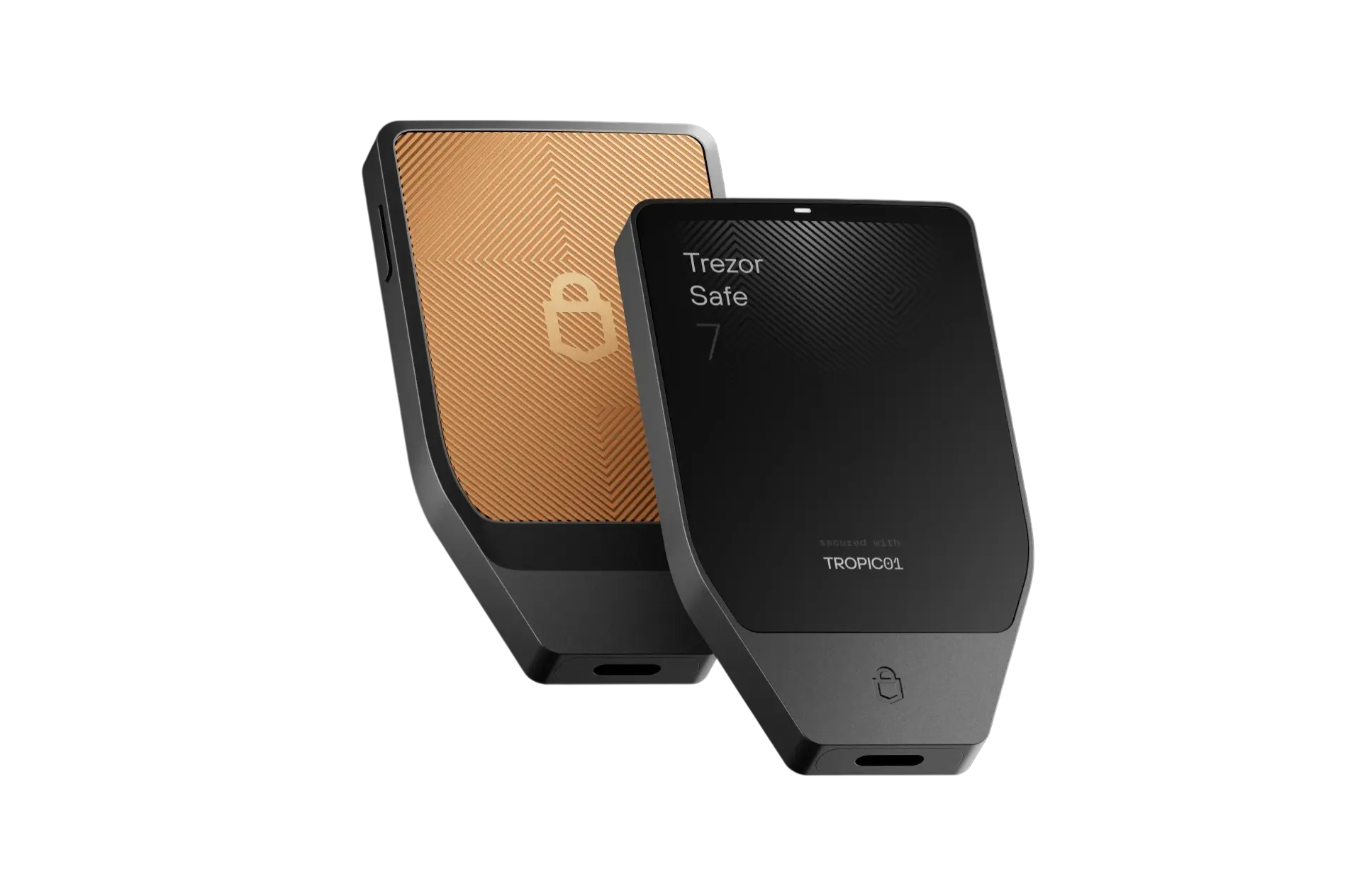
Trezor has finally retired the legendary (but clunky) Model T and replaced it with a device that looks like it belongs in a sci-fi movie. But with a hefty price tag of $249, the question remains: Is this a necessary security upgrade, or just an overpriced gadget for rich degens?
Here is the full, unfiltered breakdown.
Key Takeaways
-
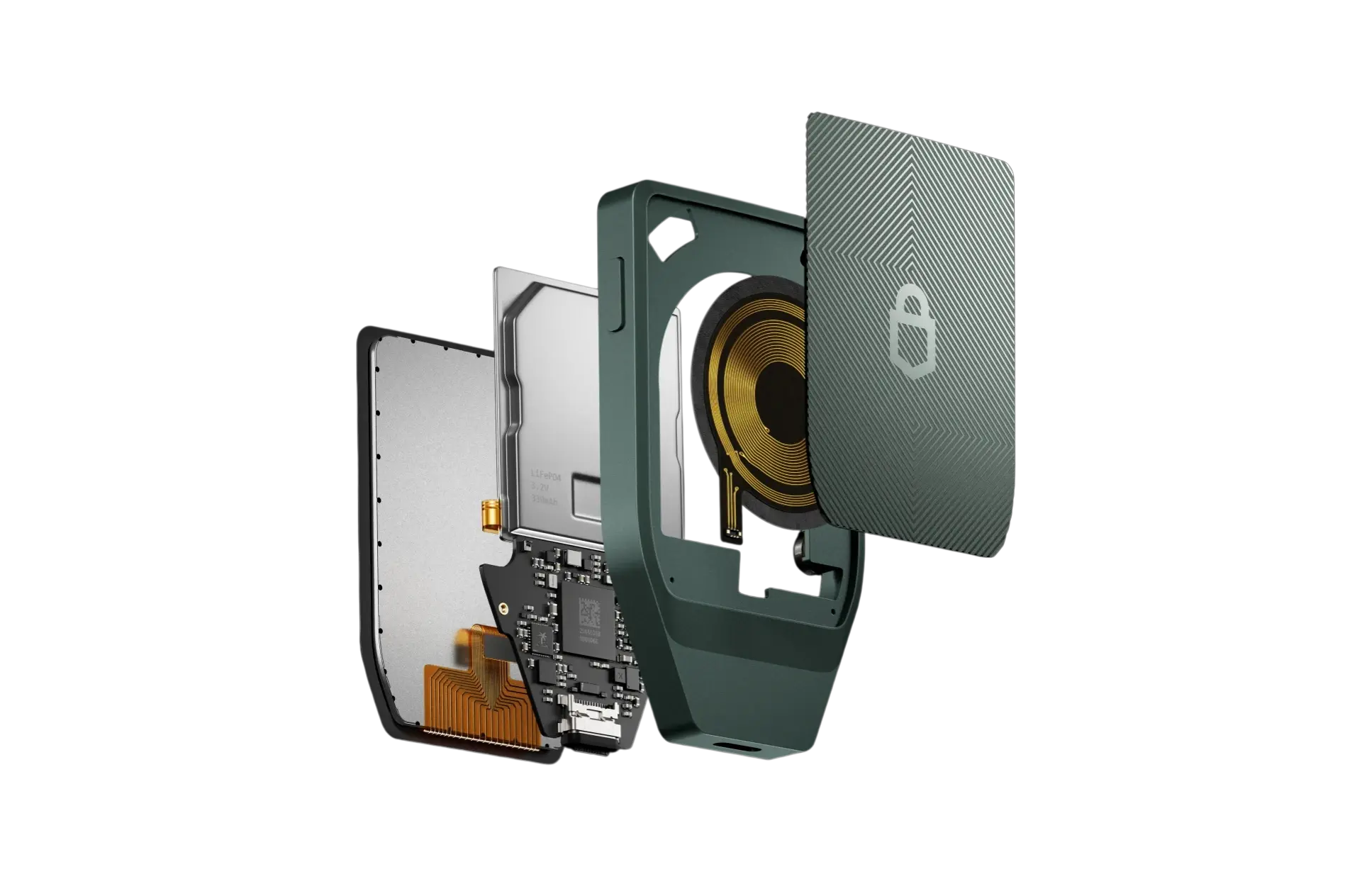
The “Trust” Problem Solved: It uses a Dual-Chip Architecture. One chip is the open-source TROPIC01 (auditable by anyone), and the second is a certified EAL6+ chip. You no longer have to blindly trust the manufacturer.
-
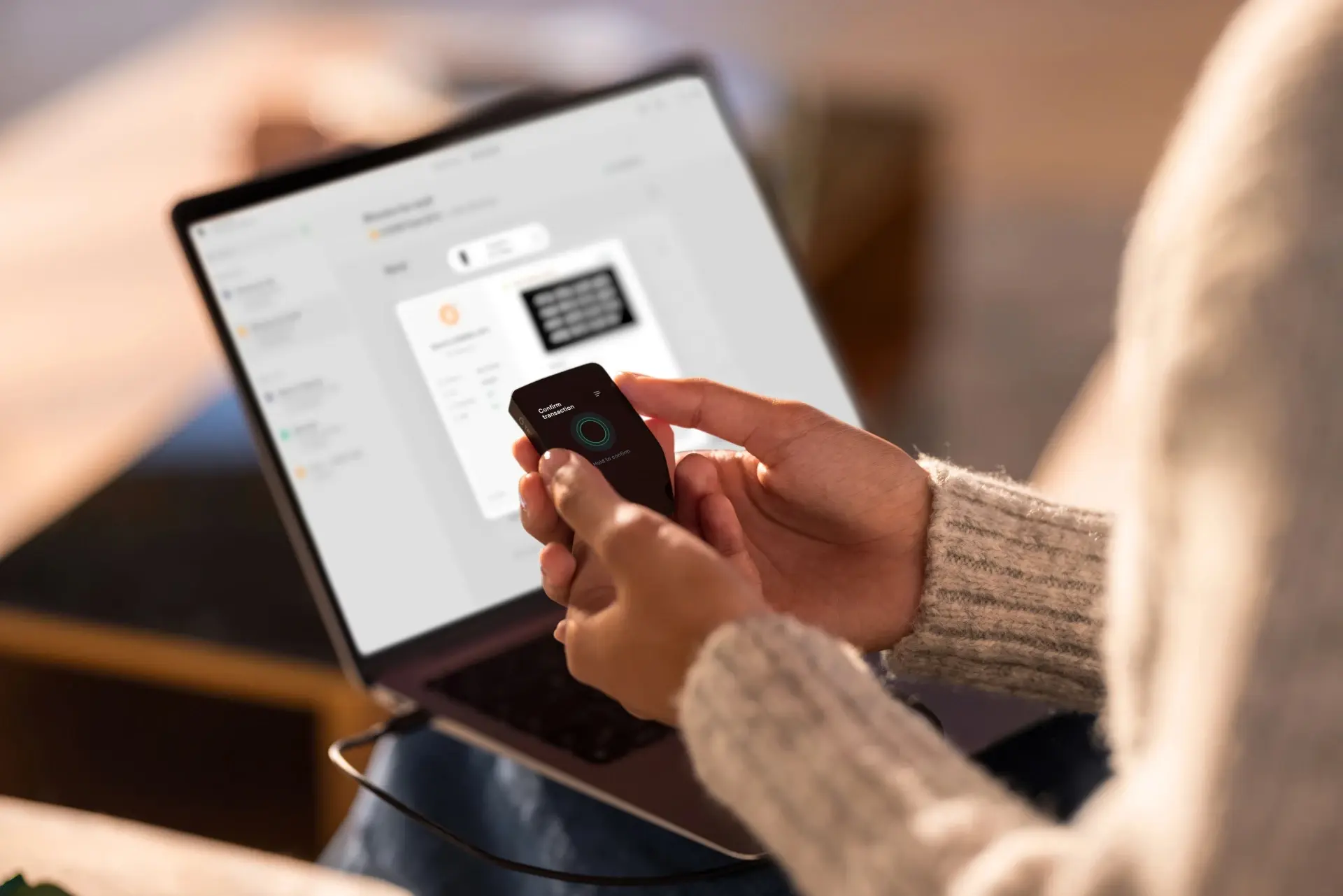
The Screen is Finally Usable: The 2.5-inch color touchscreen means you can actually read the full address of the smart contract you are signing. No more scrolling blind.
-
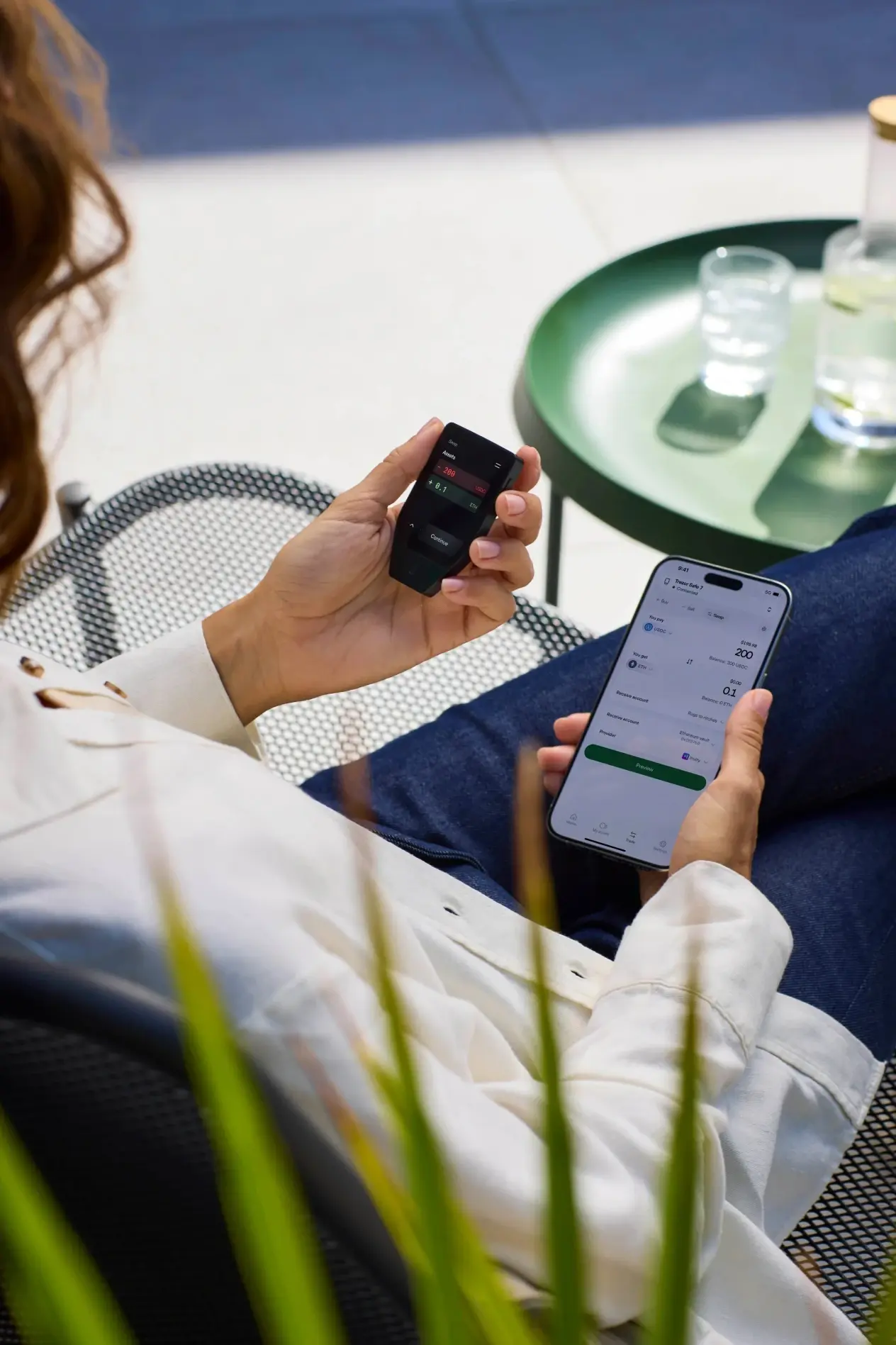
Wireless but Safe: Yes, it has Bluetooth for your iPhone, but it includes a physical hardware switch to cut the circuit. If you’re paranoid, you can physically air-gap it.
-
Battery Life: It uses a LiFePO4 battery (like in EVs), meaning it won’t die in a drawer after 6 months like the Ledger Nano X.
-
Snout0x Verdict: If you have a portfolio over $10k, buy this. If you hold $500 of PEPE, stick to the Trezor Safe 3.
Design & Build: Finally Premium
Let’s strip away the marketing hype and look at the hardware itself. If you’re going to trust a device with your net worth, it shouldn’t feel like a toy you got in a Happy Meal.
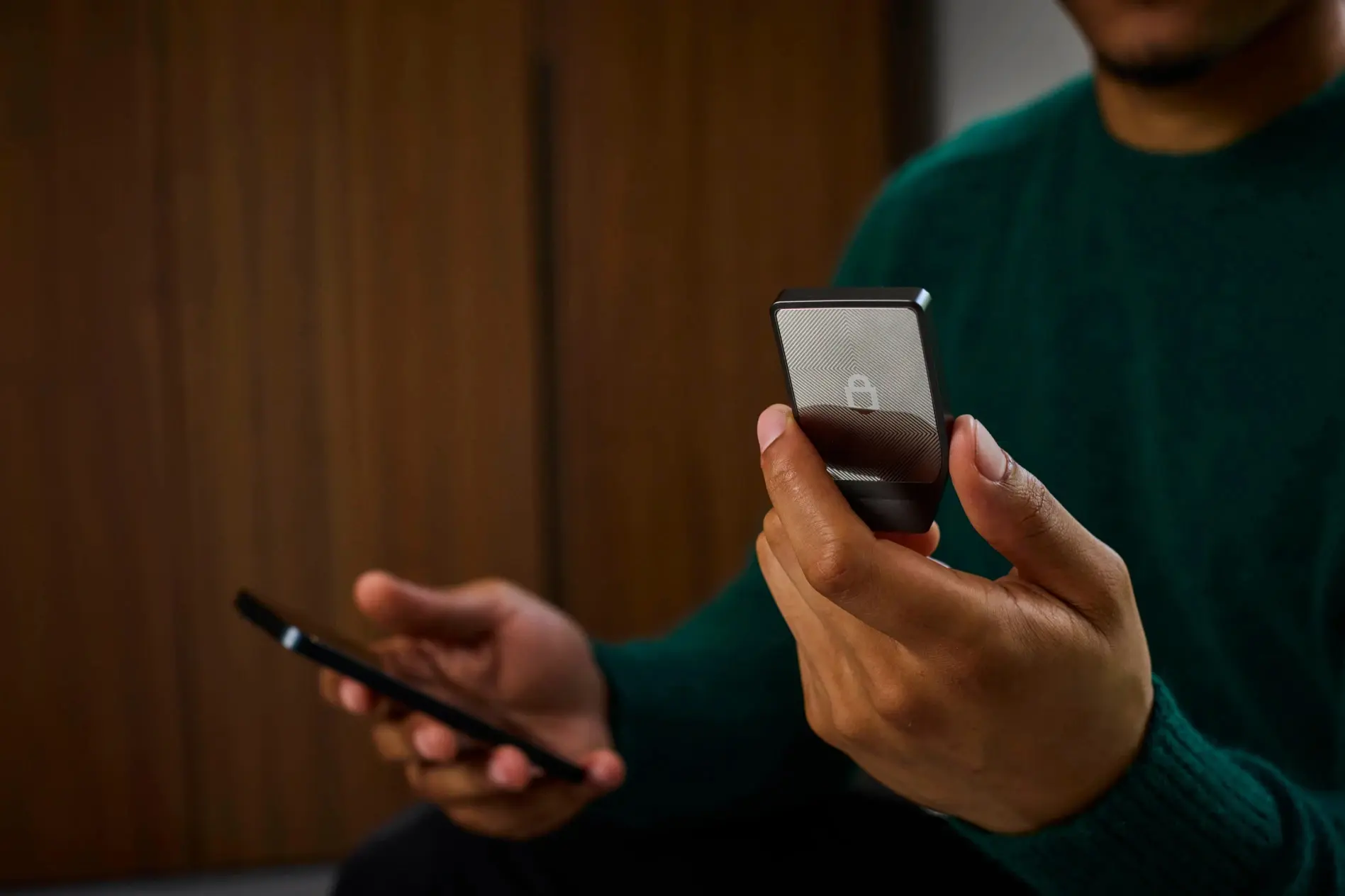
Gone is the cheap plastic of the Model One. The Safe 7 features a unibody aerospace-grade aluminum chassis that feels cold and heavy in the hand. It feels expensive—because it is.
-
The Screen: A stunning 2.5-inch OLED touch panel protected by Gorilla Glass Victus. It hits 700 nits of brightness, meaning you can actually read your transaction details while sitting on a beach (or touching grass).
-
Haptic Feedback: The device now vibrates slightly when you confirm a transaction, giving you physical confirmation that your money is moving.
-
The “Fat Finger” Test: Unlike the tiny screen on the old Model T where you constantly hit the wrong number, the Safe 7’s keyboard is spaced out. Entering a passphrase on-device is actually pleasant.
Security Revolution: The “Dual Chip” Moat
But let’s be honest: You aren’t paying $249 for a pretty screen. You are paying for what is under the hood. And this is where Trezor has completely rewritten the rulebook.
For a decade, the hardware wallet debate was a binary choice: “Secure Element (Ledger) vs. Open Source (Trezor).”
-
Ledger used military-grade secure chips (like in credit cards) but kept the code secret. You had to trust them.
-
Trezor used general-purpose chips with open code but lacked physical tamper resistance (vulnerable to “kraken” lab attacks).
The Safe 7 ends the debate by refusing to choose. It uses a Dual-Chip Architecture that creates a “Defense in Depth” strategy:
1. The Brain: TROPIC01 (Auditable Logic) Developed by Tropic Square (a SatoshiLabs subsidiary), this is the world’s first fully open-source transparent secure element.
-
Why it matters: Unlike Ledger’s “Black Box” chips where backdoors could theoretically hide in the silicon, the TROPIC01 design is public. Security researchers can audit the actual transistor logic. It handles your private key generation and signing math in broad daylight.
2. The Brawn: Optiga Trust M (Physical Armor) This is a certified EAL6+ chip (industry standard). Its only job is to protect the TROPIC01.
-
Why it matters: It acts as a shield against physical attacks. If a hacker steals your device and tries to use Voltage Glitching (messing with power to skip a password check) or Laser Fault Injection (shooting lasers at the chip to flip bits), the Optiga detects the anomaly and instantly locks down the circuit.
The “2-of-2” Lock Mechanism Here is the alpha: The Safe 7 splits your sensitive data (PINs, Seeds) across both chips.
-
To unlock the wallet, the software needs a handshake from both the TROPIC01 and the Optiga.
-
If a hacker finds a zero-day exploit in one chip, they are still locked out by the other. It is mathematically exponential security.
“Post-Quantum” Protection?
And while we are talking about military-grade protection, Trezor didn’t just stop at “safe for today.” They built this thing for the apocalypse. You’ve heard the fear-mongering: “Quantum computers will crack Bitcoin by 2030!”
Here is the reality: Current crypto wallets use Elliptic Curve Cryptography (ECC). If a powerful enough quantum computer appears, it can use Shor’s Algorithm to reverse the math and derive your private key from your public key. Essentially, your “secure” wallet becomes an open book.
The Safe 7 Fix: SLH-DSA (Sphincs+) The Trezor Safe 7 is the first hardware wallet to implement SLH-DSA (Stateless Hash-Based Digital Signature Algorithm) at the bootloader level.
-
How it works: Instead of using the “curve” math that quantum computers are good at breaking, SLH-DSA uses a massive tree of cryptographic hashes.
-
The “Invisibility” Cloak: Quantum computers are wizards at finding patterns in mathematical curves. But they are terrible at guessing random hashes. By switching the lock mechanism from “Curves” to “Hashes,” the Safe 7 makes your firmware verification mathematically invisible to quantum attacks.
Translation: Even if a quantum supercomputer cracks the entire internet, it cannot forge a malicious firmware update to extract your keys from this device. It is insurance for a threat that doesn’t exist yet—but you’ll be the only one laughing when it does.
Usability: Wireless Done Right
Okay, so it’s a fortress. But usually, “maximum security” means “pain in the ass to use.” If you’ve ever tried to air-gap a laptop, you know the struggle. Surprisingly, the Safe 7 fixes this too.
For years, Trezor die-hards (myself included) mocked Ledger for using Bluetooth. “It’s an attack vector!” we screamed. Well, Trezor finally added it and they shut us up by doing it correctly.
The Fear: “If I turn on Bluetooth, a hacker at the airport can sniff my seed phrase.” The Reality: That is technically impossible. The Safe 7 treats Bluetooth as a “dumb pipe.”
-
The Encrypted Tunnel: It uses an AES-256 encrypted Low Energy (BLE) channel. Even if someone intercepts the signal, all they see is noise.
-
The “Dumb Relay” Rule: Your private keys never touch the Bluetooth antenna. The phone app sends an unsigned transaction to the device, the device signs it internally (offline), and sends back only the public signature. The phone is just a glorified modem; the magic happens in your hand.
The “Paranoid” Switch (Air-Gap Mode) This is the killer feature. The Safe 7 features a physical hardware interrupt a literal circuit breaker integrated into the side toggle.
-
How it works: When you slide the switch to “Red,” it physically cuts the power line to the Bluetooth antenna. It’s not a software toggle that can be hacked; it is a physical disconnect.
-
The Use Case: Keep it in “Red Mode” for deep storage. Flip it to “Green Mode” only when you need to move funds fast.
Software Update: 2026 Native Chains The Trezor Suite Mobile app (iOS/Android) has finally caught up to the hardware.
-
No More “Bridge” Wallets: In the past, you needed Exodus or MetaMask just to view your Solana (SOL) or Cardano (ADA). Now, it’s all native. You can view, send, and swap directly in the Trezor interface.
-
Staking from the Toilet: The best part? You can now stake your ETH, SOL, and DOT directly from the mobile app. You can compound your rewards while waiting for your coffee, all while your keys stay locked in the device.
The “Paranoia” Features: Wrench-Proofing Your Life
Convenience is great for trading memecoins, but what happens when things get real? I’m talking about physical threats. This is where Trezor separates itself from the “retail” wallets. It acknowledges a dark reality: The biggest threat to your crypto isn’t a hacker in North Korea; it’s a guy with a $5 wrench in your living room.
1. The “Honey Pot” Strategy (Duress PIN) Standard wallets have one PIN. If you are forced to unlock it, it’s game over. The Safe 7 supports Passphrases, effectively creating hidden wallets behind different PINs.
-
How it works: You set up a “Decoy PIN” (e.g., 1-2-3-4). When entered, it opens a completely separate wallet that looks real but holds only what you are willing to lose.
-
The Snout0x Strategy: Don’t leave the decoy wallet empty. If a robber sees $0, they know you are lying and will keep swinging the wrench. Put $500 of a cheap, volatile altcoin in there. Make it look like a “bad investment” portfolio. They take the $500, leave satisfied, and your $500k Bitcoin stack (hidden behind your real PIN) stays invisible. This is Plausible Deniability at its finest.
2. Shamir Backup (SLIP-39 Standard) The “24-word seed phrase” on a piece of paper is a single point of failure. If your house burns down or a maid finds it, you are ruined.
-
The Fix: The Safe 7 natively uses Shamir’s Secret Sharing (SLIP-39). It generates multiple unique word lists (shares) for example, 5 total shares.
-
The “3-of-5” Rule: You can configure it so you need any 3 of those 5 shares to recover the wallet.
-
Why it matters: You can hide one share at your house, one at your parents’, one in a bank deposit box, and two with trusted friends.
-
Theft Proof: If a thief steals one share from your sock drawer, they have zero access to your funds. They need two more.
-
Disaster Proof: If your house burns down (destroying your share), you simply drive to your parents’ house and the bank, combine their shares, and recover your funds. It is redundancy without risk.
-
Verdict: Is it Worth $249?
So, after testing the metal, the chips, and the software, where do we land?
Let’s be real. If you hold $500 in Dogecoin, buying a $249 wallet is stupid. Stick to the Trezor Safe 3 ($79).
However, if you are a serious investor with a portfolio worth more than your car, the Trezor Safe 7 is a no-brainer. It is the best crypto hardware wallet of 2026, period. It combines the ease of a hot wallet with the security of a bank vault.
Score: 9.5/10
-
Buy it if: You want the highest security specs available (Dual Chip) and hate cables.
-
Skip it if: You are on a budget or don’t care about mobile connectivity.
👉 Get the Trezor Safe 7 directly from the Official Website
Frequently Asked Questions (FAQ)
1. Is the Trezor Safe 7 safer than the Ledger Nano X? Yes. In 2026, the Trezor Safe 7 is considered more secure because it uses open-source firmware. Unlike Ledger, which requires you to trust their closed code (and the controversial “Recover” feature), the Safe 7 allows you to verify that your keys never leave the device.
2. Does the Trezor Safe 7 support Solana and Cardano? Yes. As of the 2026 firmware update, the Safe 7 natively supports Solana (SOL), Cardano (ADA), and Avalanche (AVAX) directly inside the Trezor Suite app. You no longer need to use third-party interfaces.
3. Is Bluetooth on the Safe 7 safe to use? Yes. The Safe 7 encrypts all Bluetooth traffic, and critical actions (signing) must be physically confirmed on the touchscreen. Furthermore, it features a physical hardware switch that completely cuts power to the Bluetooth antenna if you want to use it in “Air-Gapped” mode.
4. How long does the battery last? The Safe 7 uses a LiFePO4 battery, which is superior to standard lithium-ion batteries. It lasts weeks on standby and degrades much slower over time. It also supports Qi2 wireless charging, so you can just drop it on a charging pad.
5. Should I upgrade from the Trezor Model T? If you use your wallet frequently, yes. The Model T’s tiny screen was difficult to use for typing passphrases. The Safe 7’s 2.5-inch screen, haptic feedback, and mobile connectivity make it a massive upgrade in usability.
Subscribe to our newsletter
Enjoy exclusive special deals available only to our subscribers.

