


Last Updated on March 19, 2026 by Snout0x
Cold storage is the practice of keeping cryptocurrency private keys completely offline, disconnected from the internet. It is one of the most effective methods for protecting crypto assets from remote theft, phishing attacks, and platform failures. If you hold crypto long-term, understanding cold storage is foundational to responsible crypto self-custody.
Disclaimer: This content is for educational and informational purposes only and does not constitute financial, investment, tax, or legal advice. Cryptocurrency markets are volatile and involve risk. Always conduct your own research and consult a qualified professional before making financial decisions.
Simple Definition
A private key is the cryptographic string that proves ownership of a crypto wallet. Whoever controls the private key controls the funds. Hot wallets keep these keys on internet-connected devices. Cold storage moves them offline entirely.
The term covers any storage method that keeps private keys away from network exposure. This includes hardware wallets, paper wallets, and air-gapped computer setups. The common thread is isolation. No internet connection means no remote attack surface.
Cold storage does not mean your crypto is held somewhere physical in the traditional sense. The crypto itself lives on the blockchain. Cold storage describes where the key that controls it lives. Keep the key offline, and no remote attacker can sign transactions without physical access to your device or backup.
Why It Matters
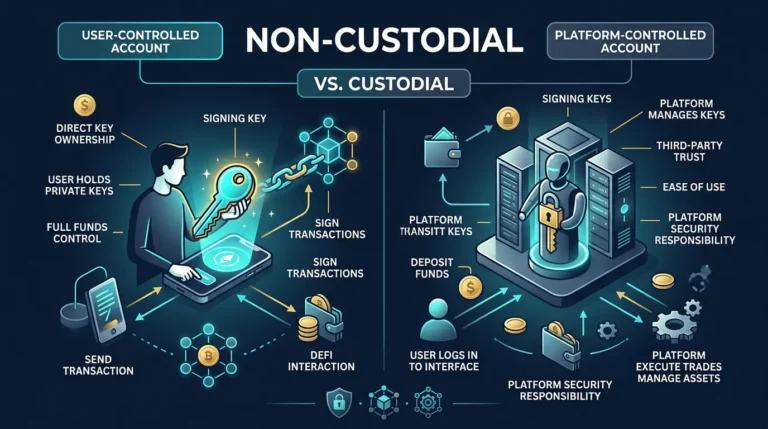
Exchanges and hot wallets are convenient, but they carry persistent risk. Exchange platforms have been hacked, frozen, and collapsed.
The FBI’s Internet Crime Report consistently shows billions of dollars in annual losses tied to online fraud, ransomware, and cryptocurrency-related crime, highlighting how large the digital attack surface has become.
Users who kept funds on platforms without self-custody have lost access, sometimes permanently. Cold storage removes the exchange from the equation entirely.
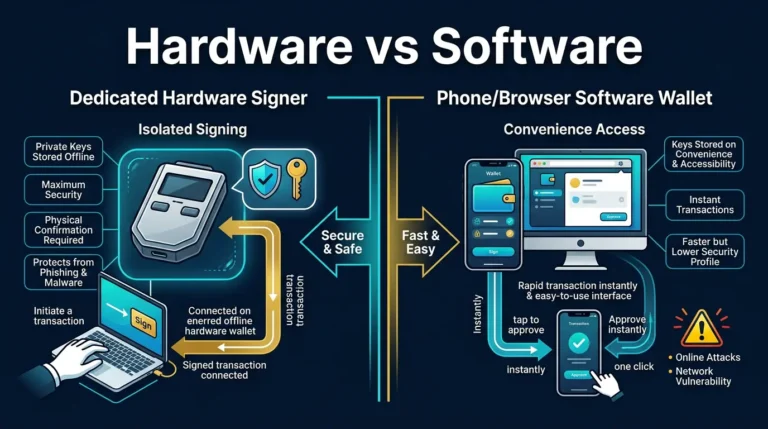
Hot wallets run on devices that are online constantly. Malware, browser extensions, clipboard hijackers, and phishing kits all target these environments. A single compromised device can drain a hot wallet without any action from the user.
Cold storage changes the threat model. A hardware wallet storing keys offline cannot be drained remotely, even if the computer it connects to during signing is infected. The key never leaves the device during transaction signing.
This matters most for funds you are not actively trading. If you are holding significant amounts of any asset for an extended period, cold storage moves that exposure away from an always-online target toward a physically secured one. For context on why exchange self-custody matters, see this self-custody survival guide.
How It Works
The practical setup varies depending on which type of cold storage you use. Each method works on the same core principle: the private key that authorizes your transactions exists only in a physically isolated environment.
Hardware Wallets
Hardware wallets are dedicated physical devices built to generate and store private keys internally. When you want to send crypto, you connect the device to a computer or phone, review the transaction details on the device’s own screen, and confirm it using the device’s physical buttons.
If you are choosing a device, this guide to the best crypto wallets for beginners explains how different hardware wallets approach cold storage security.
Paper Wallets
Paper wallets are printed or handwritten records of a private key or seed phrase. They qualify as cold storage because the data is never stored digitally in an internet-connected form. Paper wallets are low cost, but they carry meaningful risks.
Air-Gapped Setups
An air-gapped computer is a device that has never connected to the internet and is designed never to do so. Advanced users sometimes generate keys and sign transactions on these machines.
When you set up any form of cold storage, you will generate a seed phrase, typically 12 or 24 words. This phrase can regenerate your keys if the device is ever lost or damaged.
Common Mistakes
Buying used hardware wallets. Second-hand devices could be compromised before you receive them.
Storing the seed phrase digitally. Screenshots, cloud notes, and password managers are not cold storage.
Keeping the seed phrase with the device. If both are stolen together, the attacker has everything needed to access your funds.
Assuming cold storage is impenetrable. Whether your setup is truly isolated in practice is a question worth taking seriously. This cold storage paranoia guide examines that question in more depth.
Failing to verify recovery before committing funds. After generating the seed phrase, test recovery with a small amount before moving significant holdings.
Security and Risk Considerations
Cold storage reduces the remote attack surface significantly. It does not eliminate all risk.
Operational errors cause more cold storage losses than technical attacks. Following a structured process helps reduce these risks. This crypto wallet security checklist explains the essential steps for protecting a self-custody setup.
Frequently Asked Questions
What is the difference between cold storage and a hot wallet?
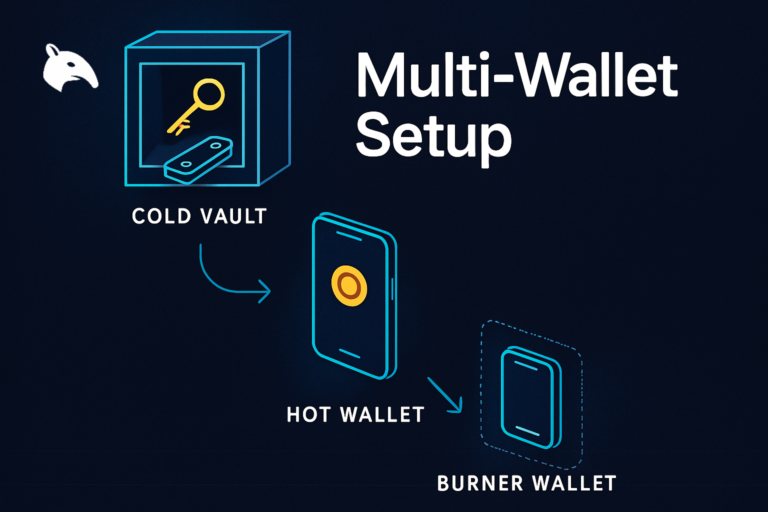
A hot wallet keeps private keys on a device connected to the internet. Cold storage keeps them offline.
Is a hardware wallet the same as cold storage?
A hardware wallet is the most common form of cold storage, but not the only one.
Do I need cold storage if I only hold a small amount?
For small amounts, a reputable hot wallet may be sufficient. For meaningful holdings, cold storage is usually worth the setup effort.
What happens if my hardware wallet breaks?
Your seed phrase allows recovery on a new device.
Can cold storage be hacked remotely?
True cold storage prevents remote key access through normal attack methods. Most risks come from physical access or operational mistakes.