


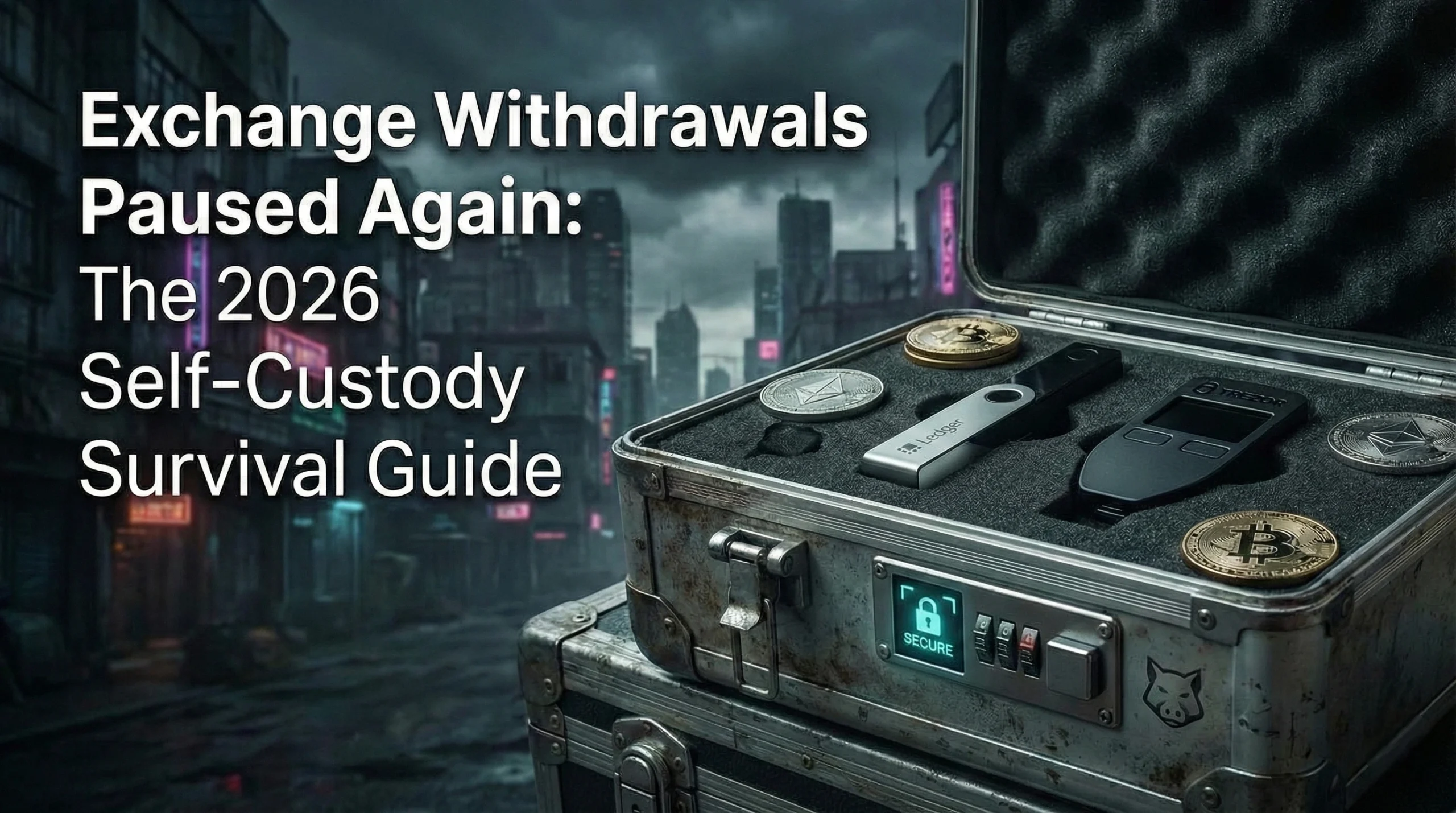
Key Takeaways
-
The “Maintenance” Lie: When an exchange pauses withdrawals during a market crash, it isn’t usually a technical glitch—it’s often a liquidity crisis. If you wait for the announcement, it’s already too late.
-
The $1,000 Rule: Hot wallets (like MetaMask) are for convenience; cold wallets are for survival. If you hold more than $1,000 in crypto, you need a hardware wallet that keeps your keys offline.
-
Ledger vs. Trezor: Use the Ledger Nano X if you want a seamless “iPhone-like” mobile experience for DeFi. Use the Trezor Safe 7 if you want open-source, paranoid security for long-term holding.
-
The “Amazon” Ban: Never buy a hardware wallet from Amazon, eBay, or a reseller. Supply chain attacks are real. Always buy direct from the manufacturer to ensure the device hasn’t been tampered with.
-
The $5 Restoration Test: Before moving your life savings, send $5 to the new wallet, wipe the device, and try to restore it with your seed phrase. If the $5 reappears, your backup is safe.
Exchange Withdrawals Will Pause Again. Here’s Your Exit Strategy.
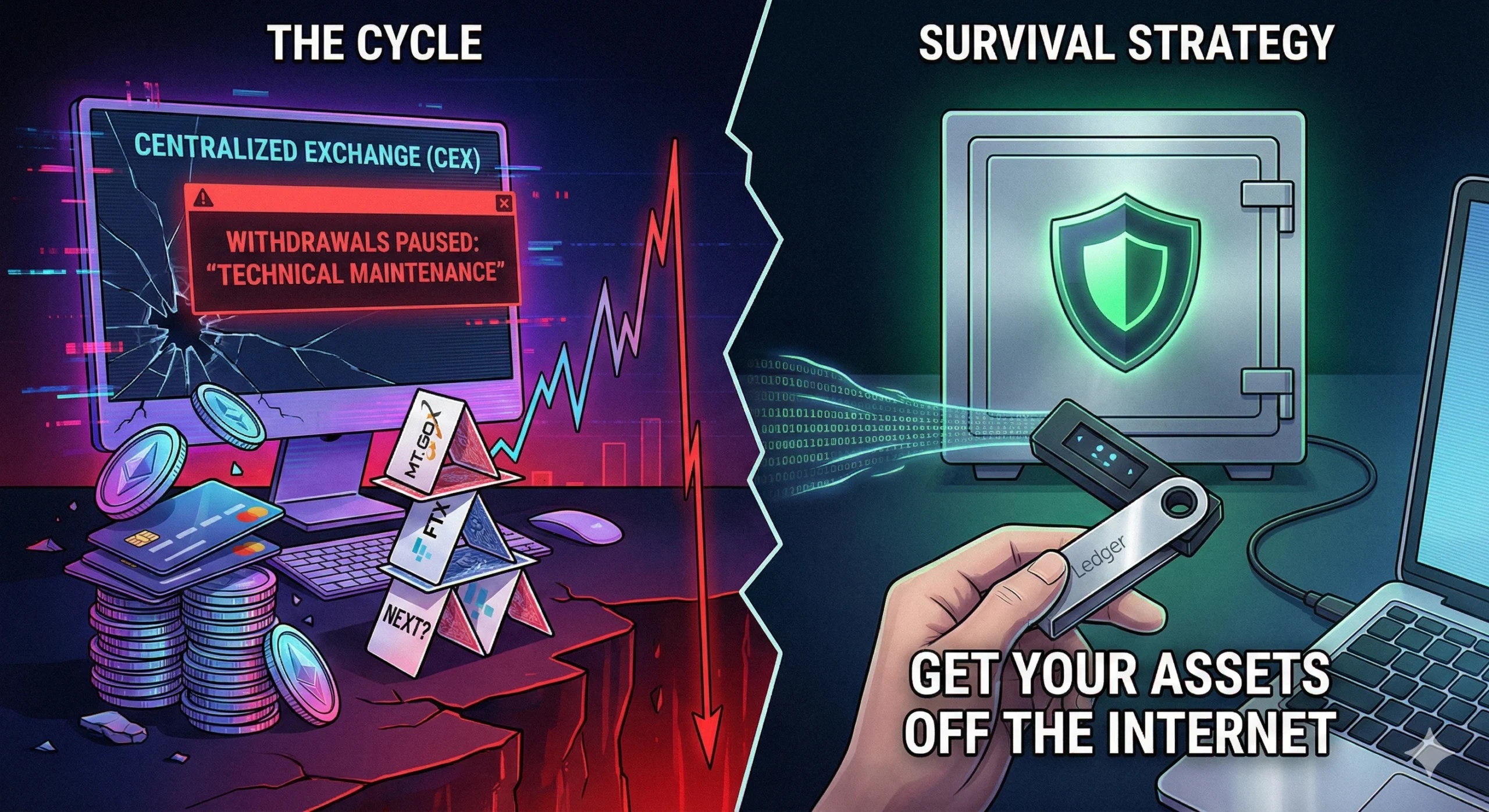
Look, we all know the cycle. The market pumps, everyone gets greedy, retail fomo kicks in, and suddenly a major exchange “pauses withdrawals due to technical maintenance.”
Translation: They don’t have your money.
If you are reading this and your portfolio is still sitting on a centralized exchange (CEX), you aren’t investing. You are gambling on the ethics of a tech CEO. And based on the history of this industry from Mt. Gox to FTX that is a terrible bet.
This isn’t financial advice (NFA). This is survival advice.
I don’t care which wallet you buy. I just care that you get your assets off the internet and into your own hands. But since the timeline keeps asking me what I use, here is the honest, sarcastic, no-fluff breakdown of the best hardware wallets in 2026.
The “Why”: Hot Wallets vs. Cold Storage
Before we spend money, let’s get the terminology straight so you don’t get wrecked.
Hot Wallets (Metamask, Phantom, Exchange Apps): These are connected to the internet. They are convenient for swapping memecoins at 3 AM, but they are vulnerable. If you click one bad link, your wallet is drained.
-
Read more on this: Understanding Cold Storage: Hot vs. Cold Wallets Explained
Cold Wallets (Hardware): This is a device that lives offline. It signs transactions without your private key ever touching the internet. Even if your computer has a virus, your coins are safe because the key never leaves the device.
If you have more than $1,000 in crypto, you need cold storage. Period.
Option 1:
The “I Want It to Feel Like an iPhone” Choice
The Ledger Nano X
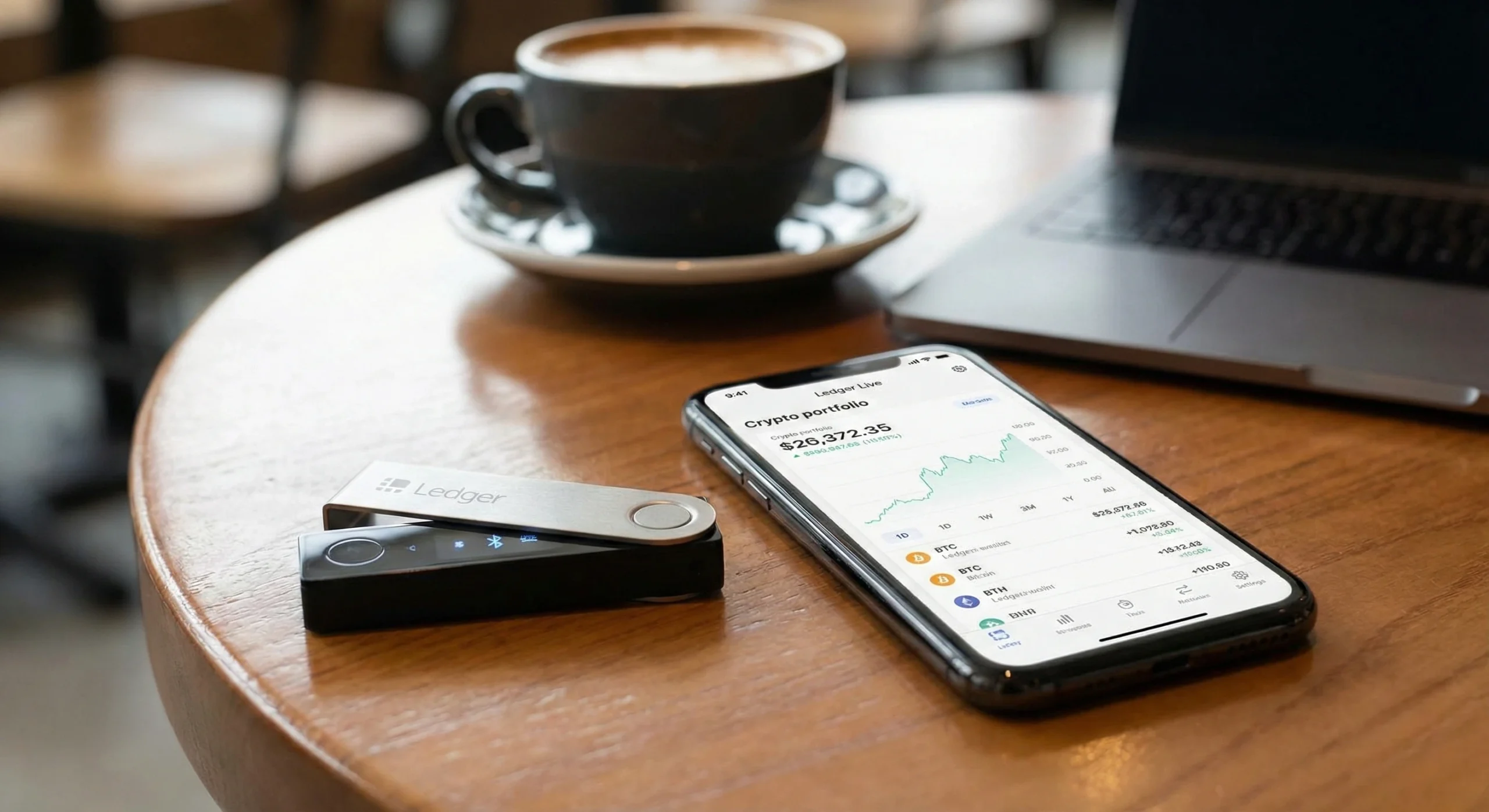
This is what I recommend for 90% of people. Why? Because the hardest part of security is actually using it. If a wallet is too complicated, you won’t use it, and you’ll leave your funds on Binance. The Ledger Nano X is slick, intuitive, and works seamlessly with your phone.
The Pros:
-
Bluetooth: You can manage your portfolio on your phone while sitting at a coffee shop.
-
Support: It supports basically every coin in existence.
-
UX: The Ledger Live app is genuinely good. It’s clean and easy to read.
The Snout0x Take: “The privacy hardliners hate Ledger because the firmware isn’t fully open-source. And yes, the ‘Recover’ controversy a few years back was a PR disaster. But for pure usability? It’s unmatched. It’s the iPhone of crypto.”
👉 [Buy Ledger Nano X Hardware Wallet | Ledger | Ledger]
Option 2:
The “I Trust No One” Choice
The Trezor Safe 7
If you think the government is watching your toaster and you tape over your webcam, this is the wallet for you. Trezor is the “OG” of hardware wallets. They focus on open-source code and transparency.
The Pros:
-
Open Source: The code is public. Anyone can audit it. There are no backdoors.
-
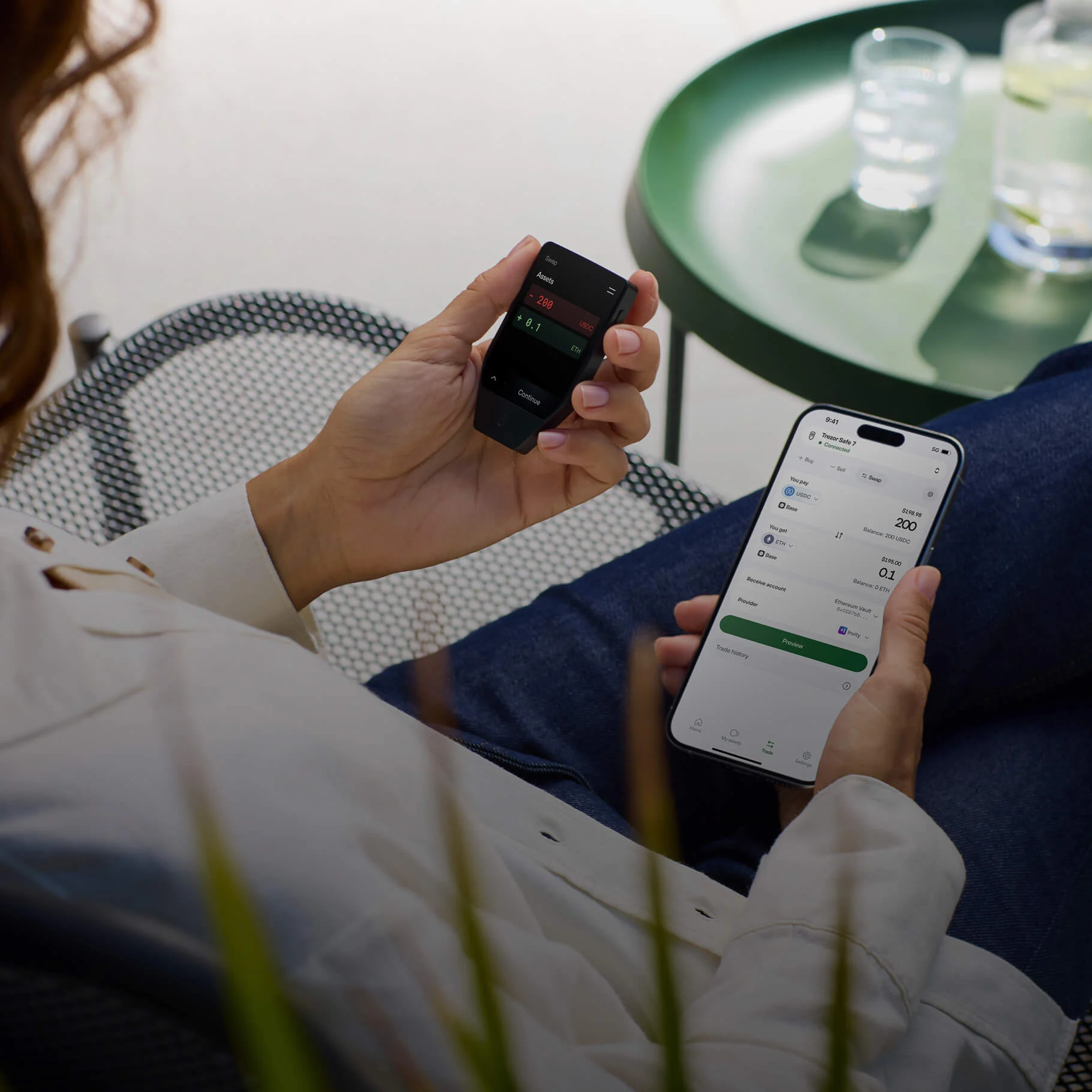
Touch Screen: The Safe 7 has a nice color touch display that makes verifying addresses easy.
-
Security: It uses a secure element chip and passphrase protection that is incredibly hard to crack.
The Snout0x Take: “It feels a bit more ‘old school’ than the Ledger, and the mobile support isn’t as seamless. But if your goal is to buy Bitcoin, bury it in the backyard, and hold for 10 years? This is the tank you want.”
👉 [Trezor Safe 7 | Hardware Wallet with TROPIC01 Secure Element]
Head-to-Head: Which One Wins?
I did a full breakdown of the specs, price, and security features in my comparison post. If you are stuck on the fence, go read that.
-
The Showdown: Ledger Nano X vs. Trezor Safe 7: Which Wins in 2026?
But here is the shortcut:
-
Active Trader / DeFi User? Get the Ledger.
-
Bitcoin Maxi / HODLer? Get the Trezor.
The “Snout0x Protocol”:
How to Not Screw This Up
Buying the wallet is only step one. Most people lose money not because the device failed, but because human error kicked in. Here is your setup guide:
-
Buy Direct: Never buy a hardware wallet from Amazon or eBay. Supply chain attacks are real. Buy directly from the manufacturer using the links above.
-
Write It Down: Write your seed phrase on paper or steel. Do not take a photo of it. Do not save it in Google Drive. If it is digital, it can be hacked.
-
The $5 Rule: When you set up your new wallet, send $5 to it first. Wipe the device. Restore it with your seed phrase. If the $5 is still there, then move your stack.
-
Mobile Hygiene: If you are using these wallets with a mobile phone, ensure your phone itself is secure.
-
Check your phone security: Mobile Wallet Security 2026: 5 Critical Risks & How to Fix Them
-
FAQ: No-BS Questions & Answers
Q: Can I just use a paper wallet? A: You can, but you shouldn’t. Generating keys on a printer or a computer connected to the internet defeats the purpose. Hardware wallets generate keys offline.
Q: What if Ledger/Trezor goes out of business? A: It doesn’t matter. Your money is on the blockchain, not inside the device. As long as you have your seed phrase (the 12 or 24 words), you can restore your wallet on any other compatible device.
Q: Is staking on a hardware wallet safe? A: It is significantly safer than staking on an exchange, but smart contract risk always exists.
Final Thoughts
Stop procrastinating. The market is fun right now, but when the bear market returns or regulations tighten, the exchanges will be the first choke point.
Order the wallet. Set it up this weekend. Delete the exchange apps. You will thank me later.
Follow me on X for daily sarcasm and market reality checks: @Snout0x
5 Articles You Need To Read Next
If you are serious about not staying poor, check these out:
-
Best Crypto Wallets for Beginners 2026: Safe, Easy & Verified
-
7 Essential Crypto Tools 2026: Trading, Taxes & Security Apps
-
Best Low-Risk Crypto Passive Income 2026: Regulated Staking & Yield Strategies
-
Mobile Wallet Security 2026: 5 Critical Risks & How to Fix Them
Subscribe to our newsletter
Enjoy exclusive special deals available only to our subscribers.

